
Stop Leaks Before They Spread Inside
Roof Repair in Miami for leaks, damaged shingles, and storm-related wear
Storm-driven rain in South Florida doesn't just run off roofs—it pushes horizontally under compromised shingles and through separated flashing, often entering attics hours after the weather clears. Roofing by Royale handles roof repair across Miami by identifying where water is actually entering, not just where stains appear on ceilings. You'll see the difference in how the roof performs during the next heavy rain, when water stays outside where it belongs.
Roof repair addresses visible damage like missing or cracked shingles, but the real work involves tracing leaks back to their source—often several feet away from interior stains. In Miami's climate, even minor gaps allow wind-driven moisture to penetrate underlayment and decking, which is why surface patches often fail within months. Effective repairs include replacing damaged underlayment and sealing vulnerable transitions where roof planes meet.
Schedule a roof evaluation to locate active leaks and assess the extent of shingle or flashing damage.
What Happens After Roof Repair Completes
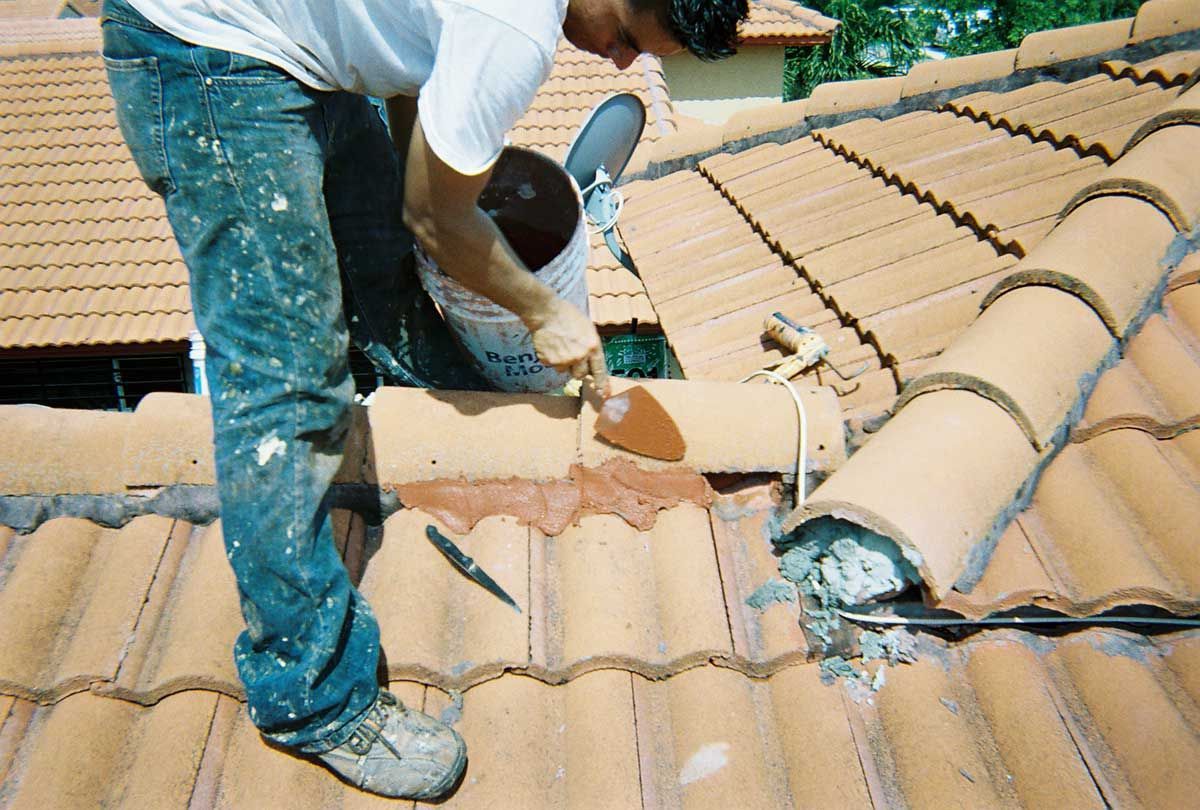
Roof repair begins with a thorough inspection to identify root causes—not just patching what's visible from the ground. The process includes removing damaged shingles, checking the decking beneath for soft spots or rot, replacing any compromised underlayment, and installing new shingles that interlock properly with surrounding materials. In Miami, this often means addressing damage caused by afternoon thunderstorms that lift shingle edges or puncture surfaces with wind-blown debris.
After repairs finish, you'll notice that ceiling stains stop expanding and attic insulation stays dry even during heavy storms. Water no longer pools in the attic or runs down interior walls when rain hits at certain angles. The repaired sections blend with the existing roof, and shingles lie flat without lifted edges that catch wind. Roofing by Royale completes repairs without requiring upfront payment, so work begins only when you're ready to proceed based on a clear assessment of what's needed.
Proper roof repair also includes checking the condition of surrounding shingles, since damage often spreads beyond the obvious failure points. If multiple areas show wear or if leaks recur in different locations, that typically indicates broader degradation rather than isolated incidents. In those cases, partial replacement of damaged sections may prevent repeated service calls and protect the roof deck from ongoing moisture exposure.
Questions Before Starting Your Project
Homeowners in Miami often ask about timing, materials, and what to expect during the repair process.
How quickly can roof repair prevent further interior damage?
Repairs should begin as soon as leaks are confirmed, since delays allow water to saturate decking and framing, which leads to mold growth and structural weakening. In Miami's humid climate, even small amounts of trapped moisture create conditions for rapid deterioration.
What causes roof leaks to appear far from the actual entry point?
Water travels along roof decking and rafters before dripping through ceilings, so stains often appear several feet downslope from where the roof is compromised. Identifying the true entry point requires tracing water paths in the attic and inspecting shingle alignment from above.
Why do some repairs fail within months while others last years?
Repairs that only address surface shingles without replacing damaged underlayment or sealing flashing gaps allow moisture to continue penetrating the roof deck. Durable repairs include layering new weatherproofing materials and securing shingles against wind uplift common in South Florida.
When should a roof be replaced instead of repaired?
If leaks occur in multiple areas, if shingles show widespread curling or granule loss, or if the roof is approaching the end of its expected lifespan, replacement often costs less long-term than repeated repairs. A detailed inspection reveals whether isolated damage or systemic wear is present.
What should property owners look for after a storm passes?
Check for missing shingles, lifted flashing around vents and chimneys, and any new ceiling stains or attic moisture. Addressing storm damage promptly prevents minor issues from becoming structural problems during the next rain event.
Roofing by Royale responds quickly to repair requests across Miami, with clear communication throughout the inspection and repair process. Arrange an on-site assessment to determine whether targeted repairs or broader work will keep your roof watertight through Florida's weather patterns.