
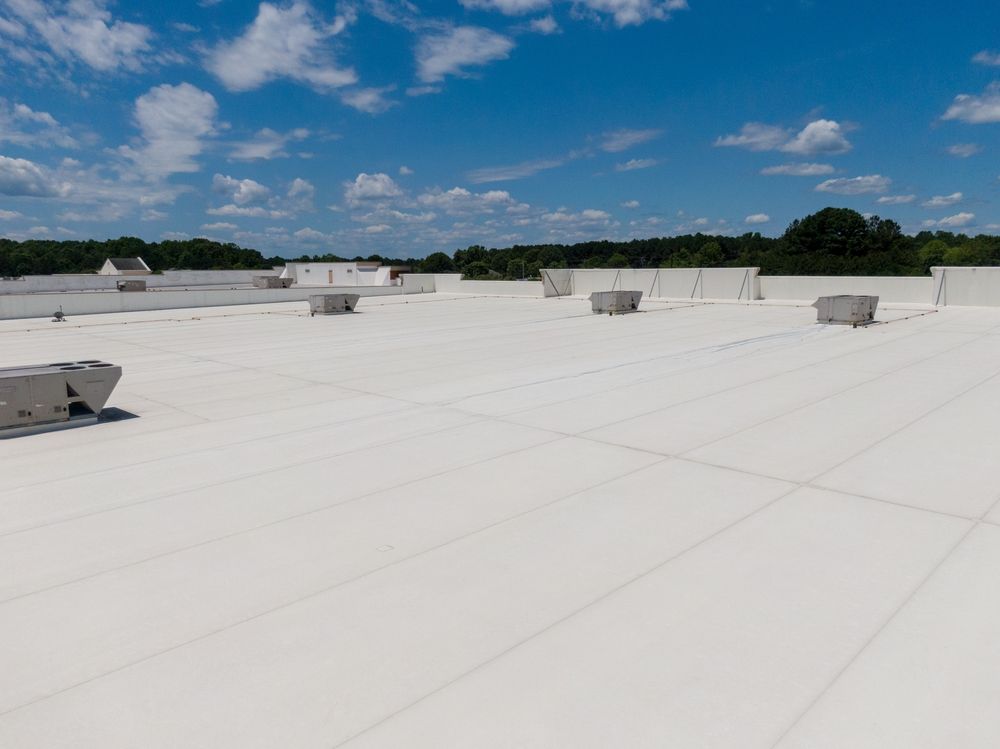
Commercial Roofs That Reflect More Than They Absorb
TPO Roofing in Miami for flat and low-slope commercial buildings exposed to constant UV intensity and heat load
Roofing by Royale installs TPO roofing systems on commercial buildings throughout Miami, where flat and low-slope roofs face relentless sun exposure and heat buildup that can drive cooling costs upward. This system uses a single-ply membrane designed to reflect rather than absorb solar radiation, reducing surface temperatures and easing the strain on HVAC systems. Commercial property owners who replace aging built-up roofing or outdated EPDM with TPO often notice a measurable drop in cooling expenses during South Florida's extended summer months.
The installation process involves mechanically fastening or fully adhering the membrane to the roof deck, with seams heat-welded to create watertight bonds that resist moisture infiltration and wind uplift. Proper drainage slope and ventilation planning are factored into every layout to prevent ponding water, which accelerates membrane degradation even in UV-resistant materials. The reflective surface stays cooler under direct sunlight compared to darker roofing materials, which matters in a climate where roof surface temperatures routinely exceed 160 degrees.
Schedule a site assessment to evaluate your current roof condition and determine drainage and ventilation requirements for your building.
Why TPO Performs Well on Large Surface Areas
TPO membranes are manufactured in wide rolls that cover large sections with fewer seams, reducing potential leak points on expansive commercial roofs. Heat-welded seams create a bond stronger than the membrane itself, which resists the wind-driven rain and hurricane-force gusts that test every fastener and joint during storm season. The material remains flexible across temperature fluctuations, so it expands and contracts without cracking or splitting as thermal cycles repeat daily.
After installation, you see a roof surface that sheds water efficiently and reflects sunlight rather than trapping heat beneath the membrane. Interior spaces stay cooler without increasing air conditioning runtime, and the roof deck experiences less thermal stress over time. The white or light-gray finish also stays visibly cleaner longer than dark surfaces, which show streaking and algae growth more readily in humid conditions.
Roofing by Royale does not require upfront payment until your project officially begins, so budgeting and planning happen without financial pressure before work is scheduled. The installation timeline depends on building size, existing roof removal needs, and weather windows, but the reflective benefits become apparent as soon as the membrane is fully adhered and seams are welded.
Questions Commercial Property Owners Often Ask
Businesses managing flat-roof buildings in Miami frequently ask about longevity, energy savings, and installation logistics before committing to a TPO system.
How does TPO roofing reduce cooling costs in South Florida?
The reflective membrane deflects solar radiation instead of absorbing it, keeping the roof surface significantly cooler and reducing heat transfer into the building, which lowers the demand on your cooling system during peak afternoon hours.
What makes heat-welded seams more reliable than adhesive seams?
Heat welding melts the membrane layers together at the molecular level, creating a homogeneous bond that resists separation under wind pressure, thermal expansion, and moisture exposure far better than adhesive strips or tapes.
How long does a TPO roof typically last on a commercial building?
Properly installed TPO systems with adequate drainage and ventilation often perform well for twenty years or more, though lifespan depends on maintenance practices, roof traffic, and exposure to debris or standing water.
When is the best time to install TPO roofing in Miami?
Dry season months from November through April offer more predictable weather windows and lower humidity, which simplifies scheduling and allows seams to cure without rain delays, though installations proceed year-round when conditions allow.
What happens if water pools on a flat TPO roof?
Ponding water accelerates membrane wear and increases the risk of leaks over time, so proper slope design and drainage placement are essential during installation to direct water toward scuppers and drains efficiently.
Roofing by Royale evaluates your building's structural layout, existing drainage systems, and ventilation needs before recommending a TPO installation approach. Request a commercial roof consultation to review energy efficiency improvements and long-term performance expectations for your property.