Roofing Systems Built for Florida Weather
Roof Replacement in Miami for homes with recurring leaks or structural wear
Recurring leaks signal that a roof's protective layers—shingles, underlayment, and flashing—have degraded beyond the point where isolated repairs hold up. You notice new stains appearing in different rooms after each storm, or patches that worked temporarily now fail again within weeks. Roofing by Royale provides roof replacement in Miami when systems reach the end of their functional lifespan, removing all old materials down to the decking and installing fresh roofing designed to handle heat, humidity, and wind-driven rain.
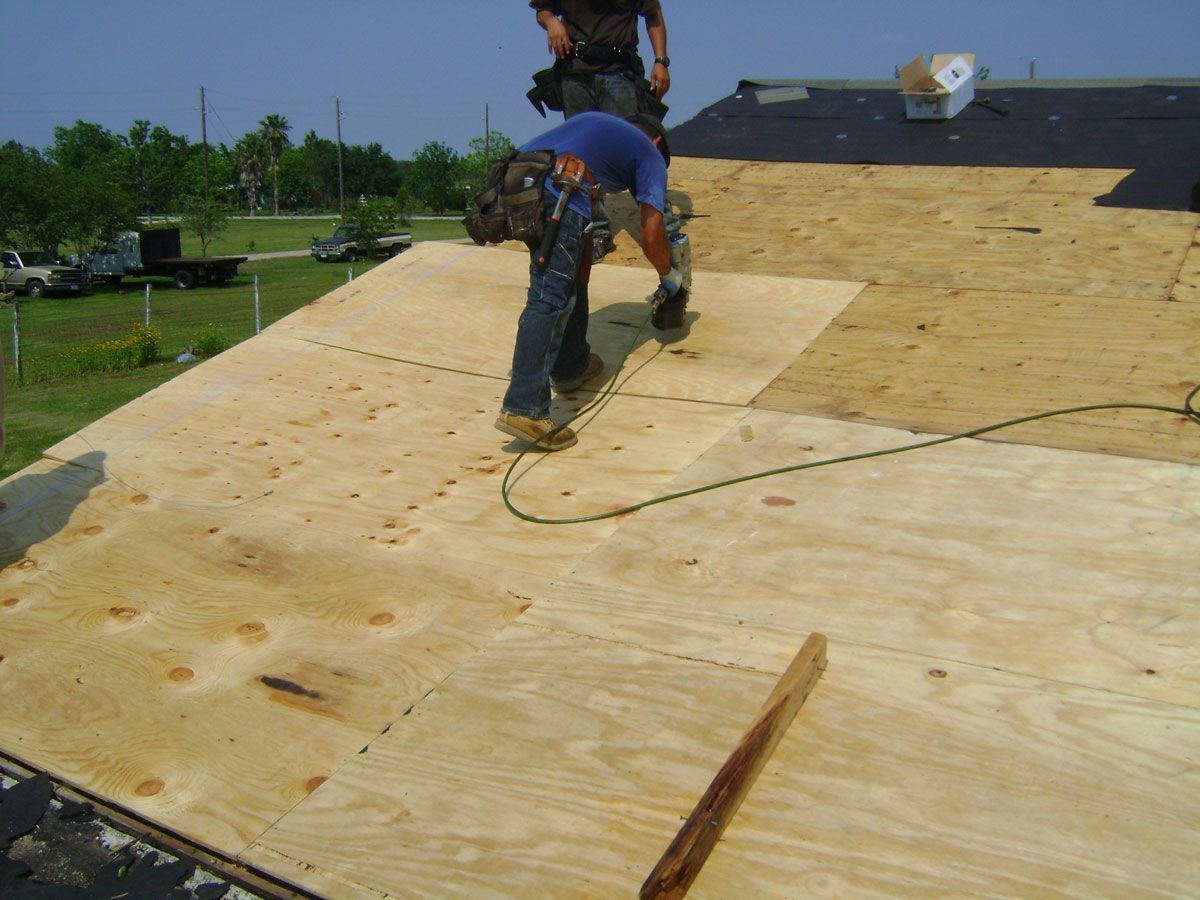
Roof replacement involves stripping all existing shingles and underlayment, inspecting the roof deck for damage, replacing any compromised wood, and installing new weatherproofing layers before applying durable shingles suited for Florida's climate. Most installations include three to four vents to improve airflow and reduce heat buildup in attics, which lowers cooling costs and extends the lifespan of roofing materials. Proper ventilation prevents moisture from condensing under the roof deck, a common issue in Miami's humid conditions.
Request a property evaluation to assess roof condition and discuss material options suited to your home's structure.
Why Ventilation and Material Selection Matter
During roof replacement, installers address not just the visible shingles but the entire system that keeps water and heat out. This includes selecting underlayment that resists moisture penetration, installing drip edges that channel water away from fascia boards, and positioning flashing around chimneys and vents to prevent leaks at transitions. The inclusion of three to four vents in most projects allows hot air to escape from attics, reducing temperatures that can reach 150 degrees or higher in South Florida summers.
After replacement finishes, you'll notice that attic temperatures drop noticeably, air conditioning systems cycle less frequently, and interior rooms stay cooler without adjusting thermostat settings. Ceilings no longer develop new stains after storms, and shingles remain secure even during high winds. The roof deck stays dry, which prevents the wood rot and mold growth that often develop when trapped moisture has no path to escape.
Roof replacement also allows for upgrading to materials with higher wind resistance ratings, which matters in a region where tropical storms and hurricanes occur regularly. Shingles rated for higher wind speeds interlock more securely and resist uplift forces that peel away standard roofing during severe weather. Roofing by Royale does not require deposits until the project begins, so homeowners can review plans and material specifications before committing.
Common Questions About This Service
Property owners preparing for roof replacement often ask about timing, what the process includes, and how new roofs perform in Florida's conditions.
What does full roof replacement include beyond new shingles?
Replacement involves removing all old roofing materials, inspecting and repairing the underlying decking, installing new underlayment and drip edges, applying fresh shingles, and adding ventilation to regulate attic heat and moisture. Each layer serves a specific function in keeping water and heat out.
How does improved ventilation reduce cooling costs?
Vents allow superheated air to escape from attics, which lowers the temperature of ceiling surfaces and reduces the heat radiating into living spaces below. This means air conditioning systems work less to maintain comfortable indoor temperatures, which lowers energy consumption over time.
When is the best time to schedule roof replacement in Miami?
Scheduling during drier months—typically late fall through early spring—reduces the chance of rain delays, though quality installers can work year-round with proper tarping and weather monitoring. Replacing roofs before hurricane season provides maximum protection when storms are most likely.
Why do some roofs fail prematurely while others last decades?
Poor ventilation traps heat and moisture, which degrades shingles and decking from the inside out. Inadequate underlayment or improperly installed flashing allows water infiltration that isn't visible until significant damage occurs. Proper installation with attention to airflow and waterproofing extends roof lifespan considerably.
What should homeowners look for when evaluating roof replacement quality?
Check that all old materials are removed down to the decking, that vents are installed and positioned to allow airflow, and that shingles align correctly with uniform exposure. Gaps around flashing, uneven shingle lines, or missing drip edges indicate rushed or incomplete work.
Roofing by Royale completes roof replacement projects across Miami with transparent communication from initial assessment through final installation. Schedule a consultation to review your current roof condition and discuss material options that match your home's needs and budget.